Retail property in context. A closer reading of business developments, economic releases and the questions they raise for owners and investors.
These retrospective articles examine the 2025–26 record using sources from each period. First published September 27, 2026. Historical figures and forecasts are presented as they were reported, not as current market guidance. Photograph credits appear with each article.
EIA's June outlook combined revised demand expectations with disruption-related uncertainty. For convenience and fuel properties, the useful lesson is to keep a dated national forecast separate from a site's operations, agreements and ownership.
Realty Income's first-quarter release reported occupancy alongside the activity behind it. The presentation demonstrates why a headline portfolio percentage is more useful when its definition, reporting date and component movements remain visible.
An April explanation from the St. Louis Fed compared weekly retail estimates with monthly Census data. It offers a useful framework for handling the date, coverage and status of economic information in a commercial property research note.
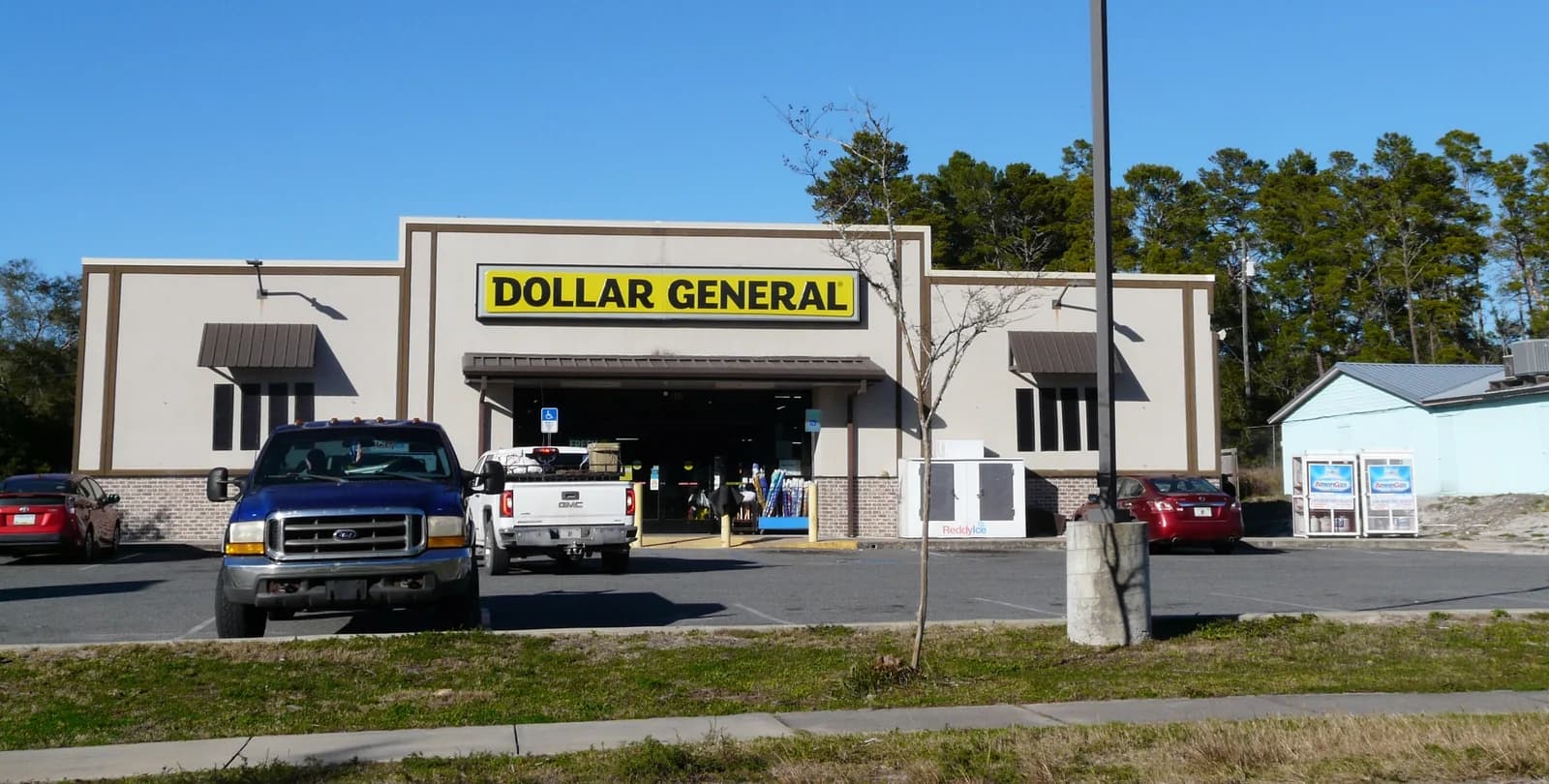
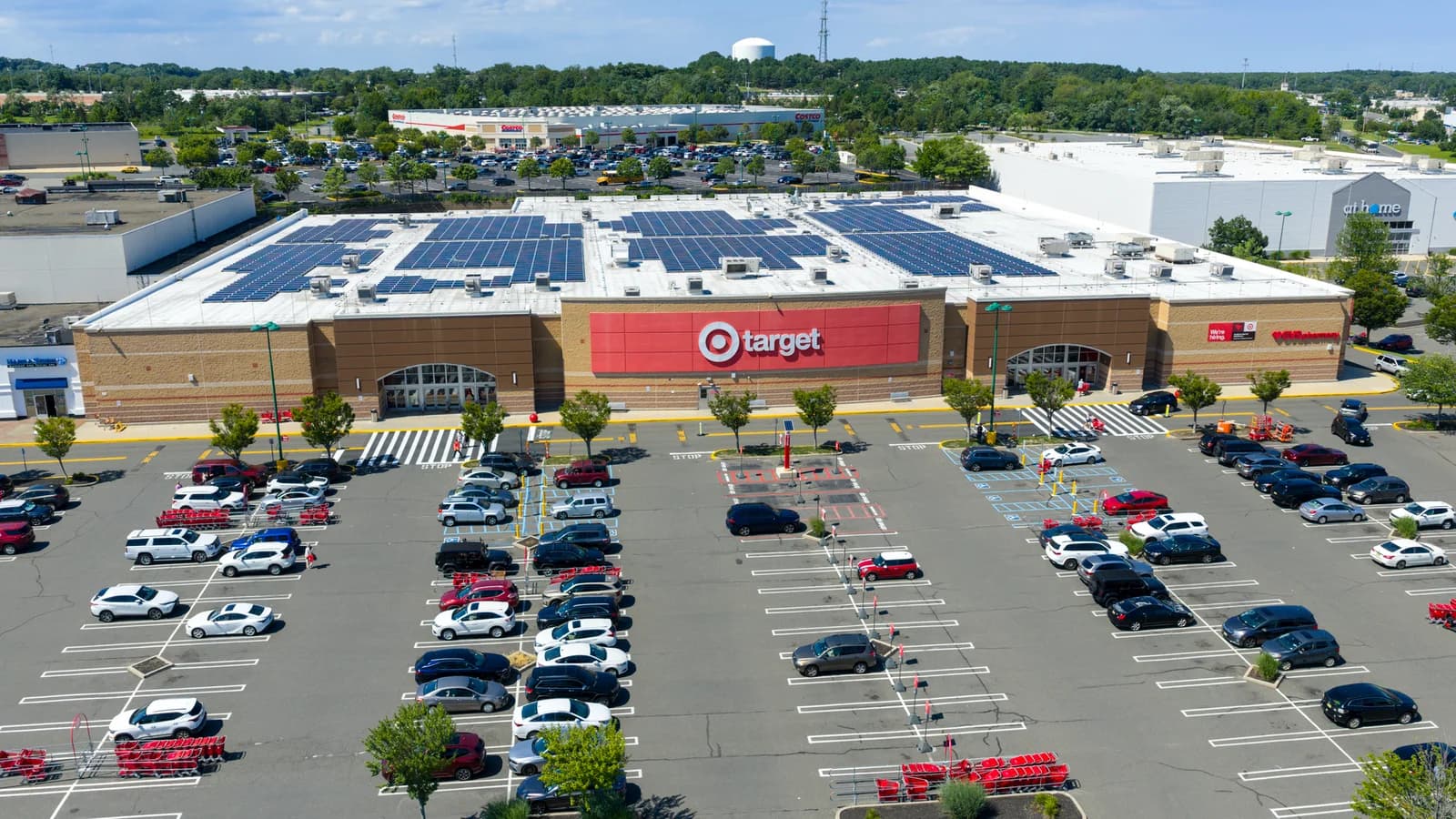
Dollar General's annual results described thousands of store projects across different categories. Their relevance to a property inquiry depends on whether the work changes a location, improves an existing store or involves an entirely new premises.
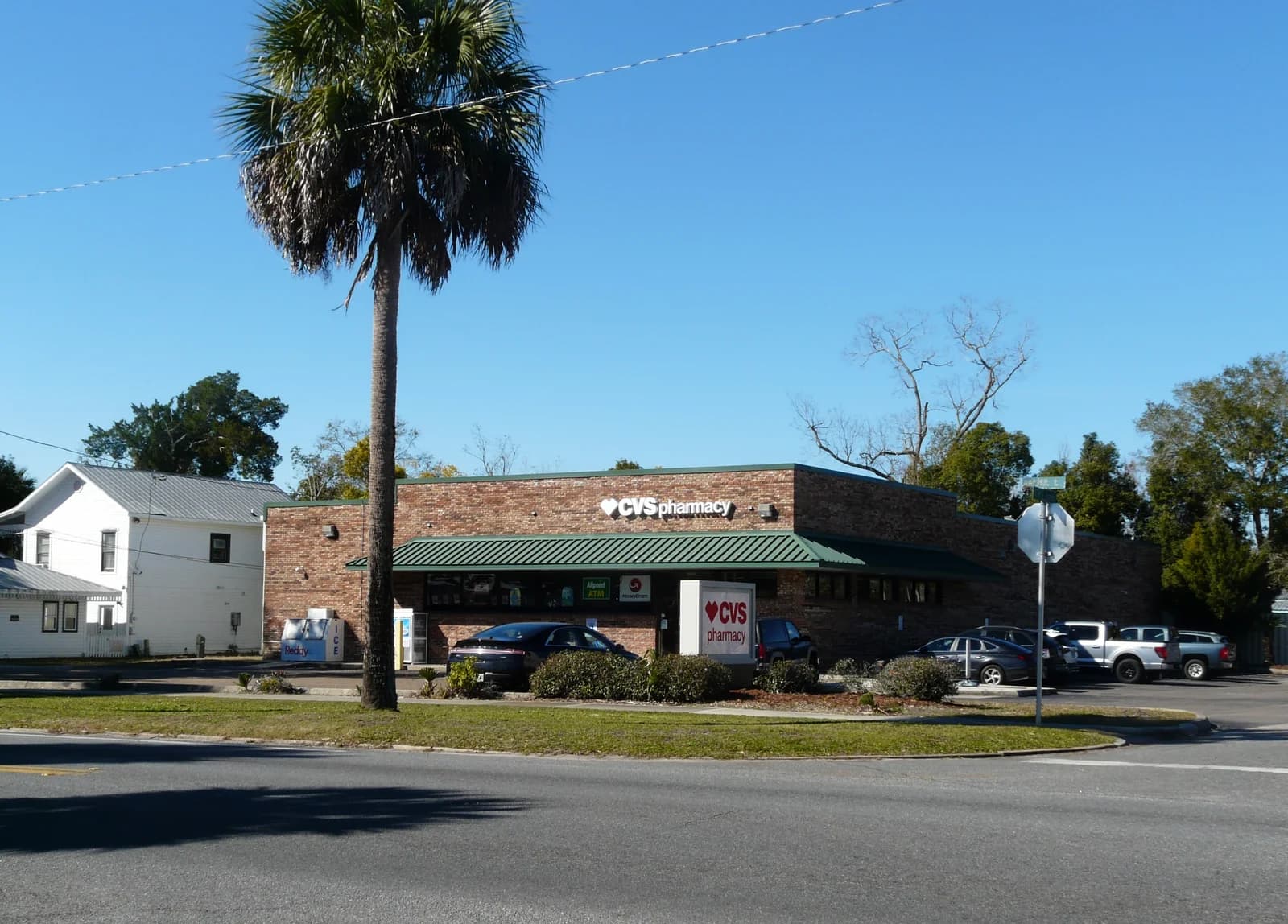
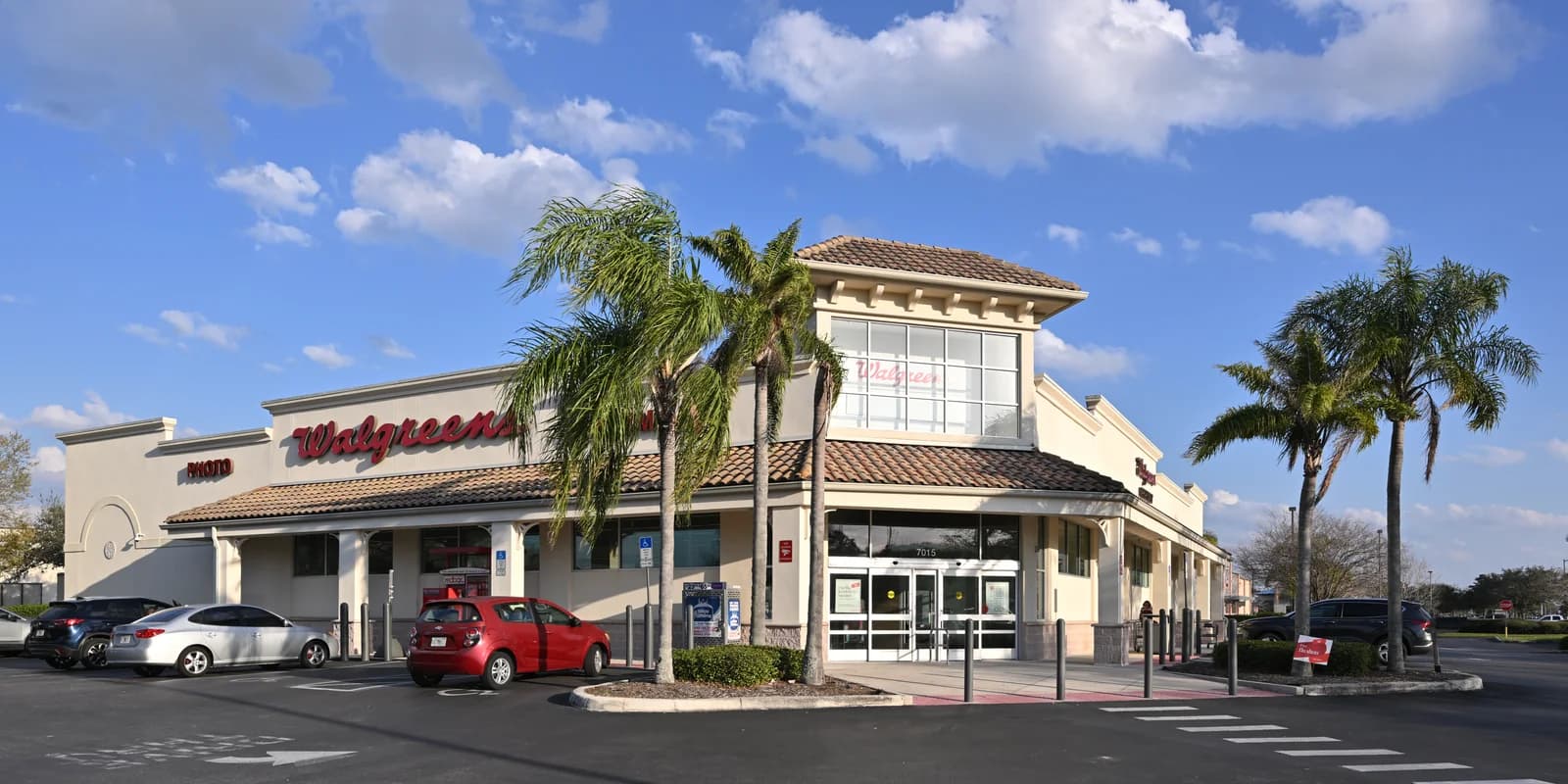
CVS Health's year-end release described several businesses and operating measures. For pharmacy property research, the challenge is to identify which information concerns the business, which concerns a location and which establishes a real estate interest.
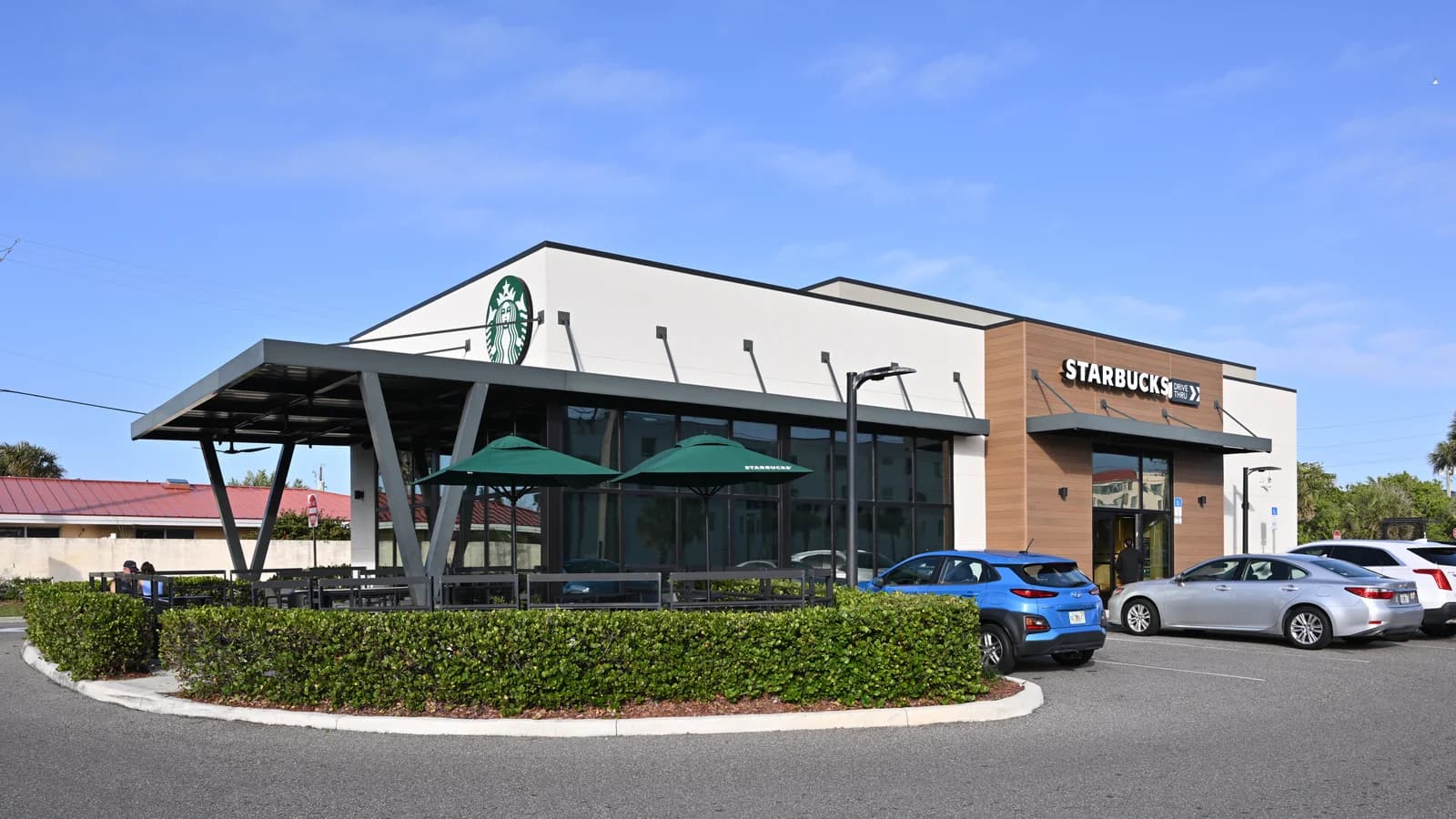
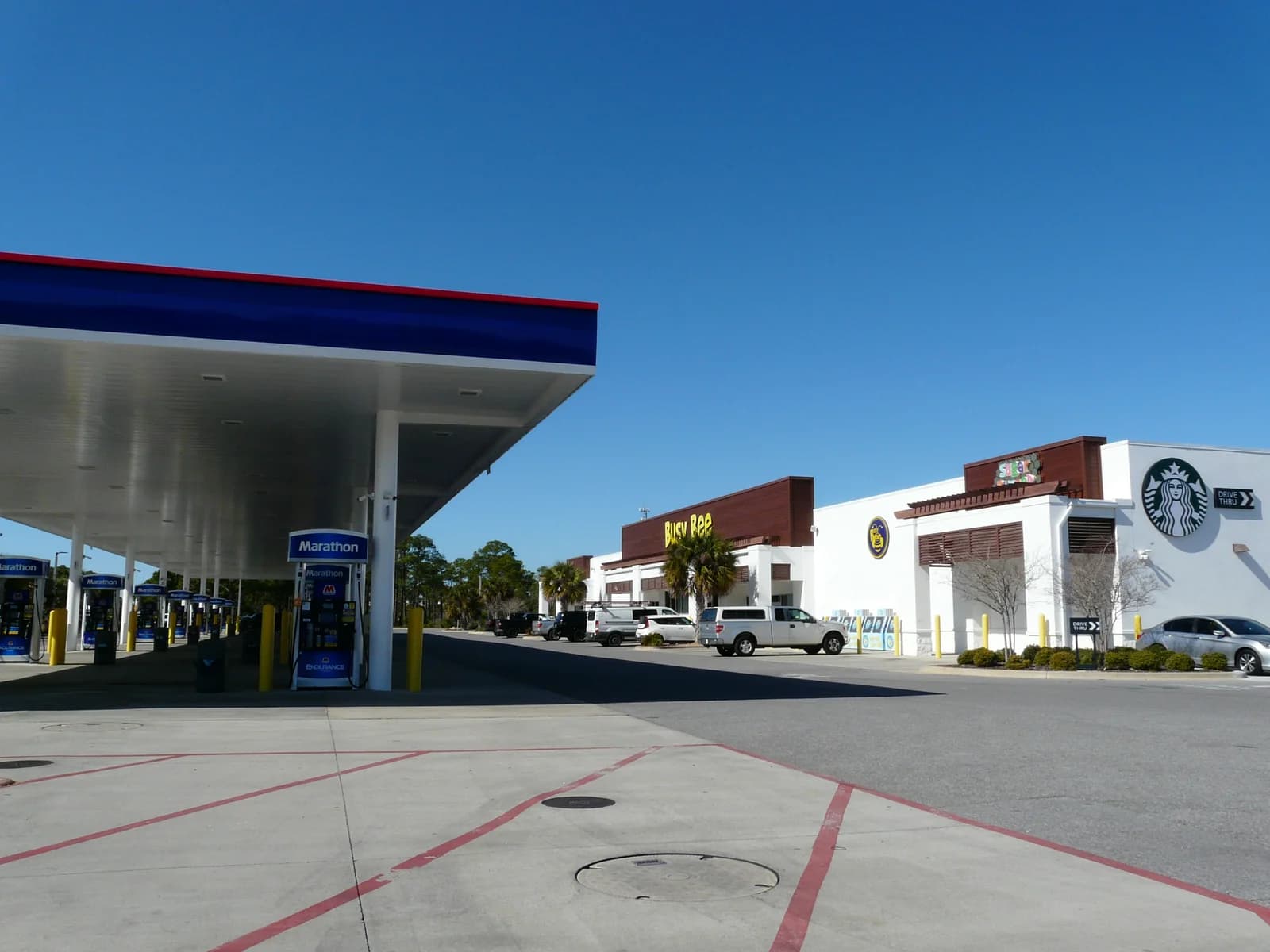
Starbucks' January release reported a return to U.S. comparable transaction growth. Reading the result alongside the company's property footprint illustrates why brand performance and a particular location's circumstances require different evidence.
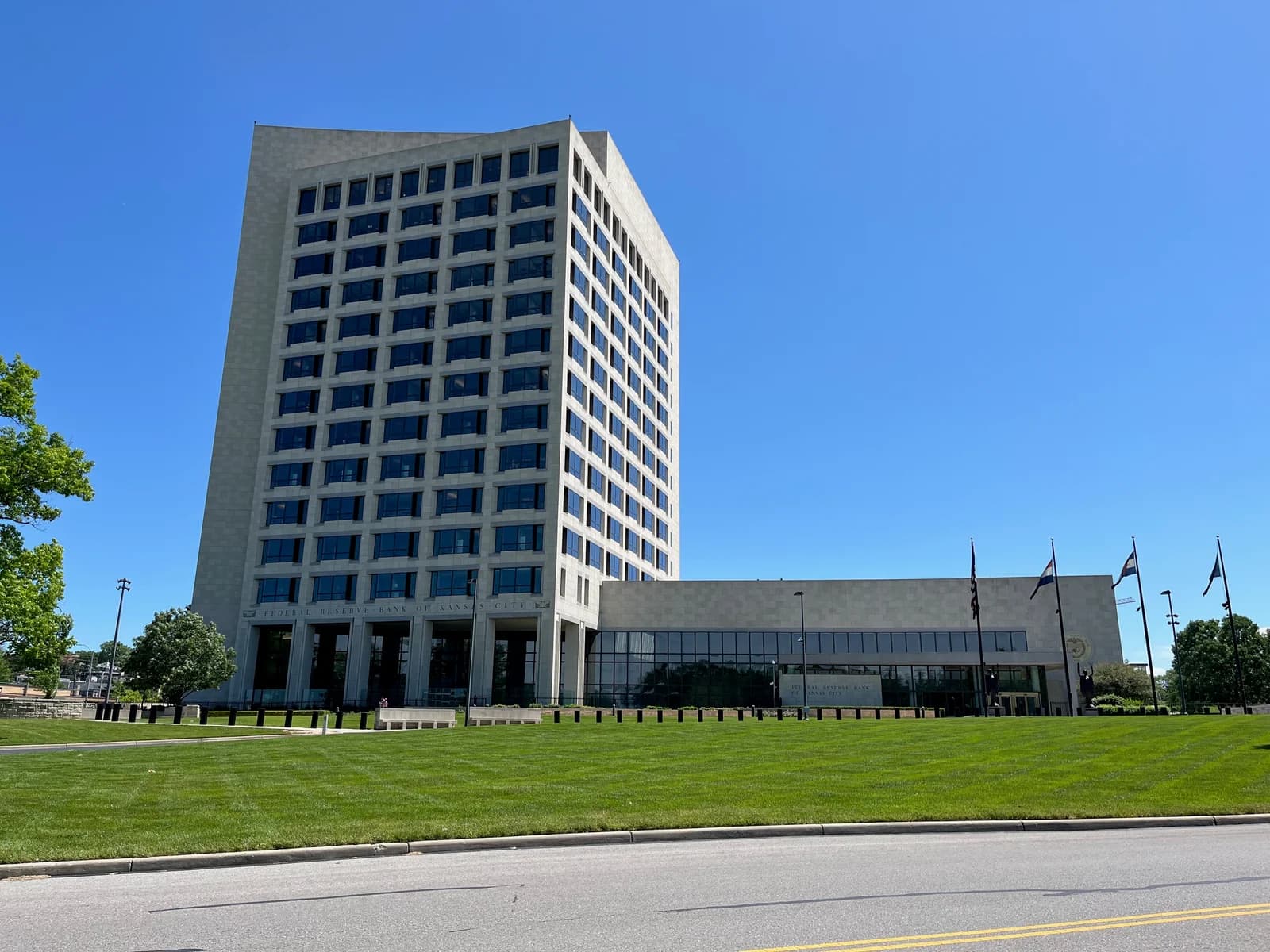
The Federal Reserve reduced its policy target in December 2025. That was a significant economic reference point, but the questions relevant to an owner still depended on the property, the owner's objectives and any existing commitments.
The FDIC's third-quarter report described stronger aggregate bank earnings alongside continuing areas of concern. The report offers background for commercial real estate research, but it cannot explain a particular owner's financing or intentions.
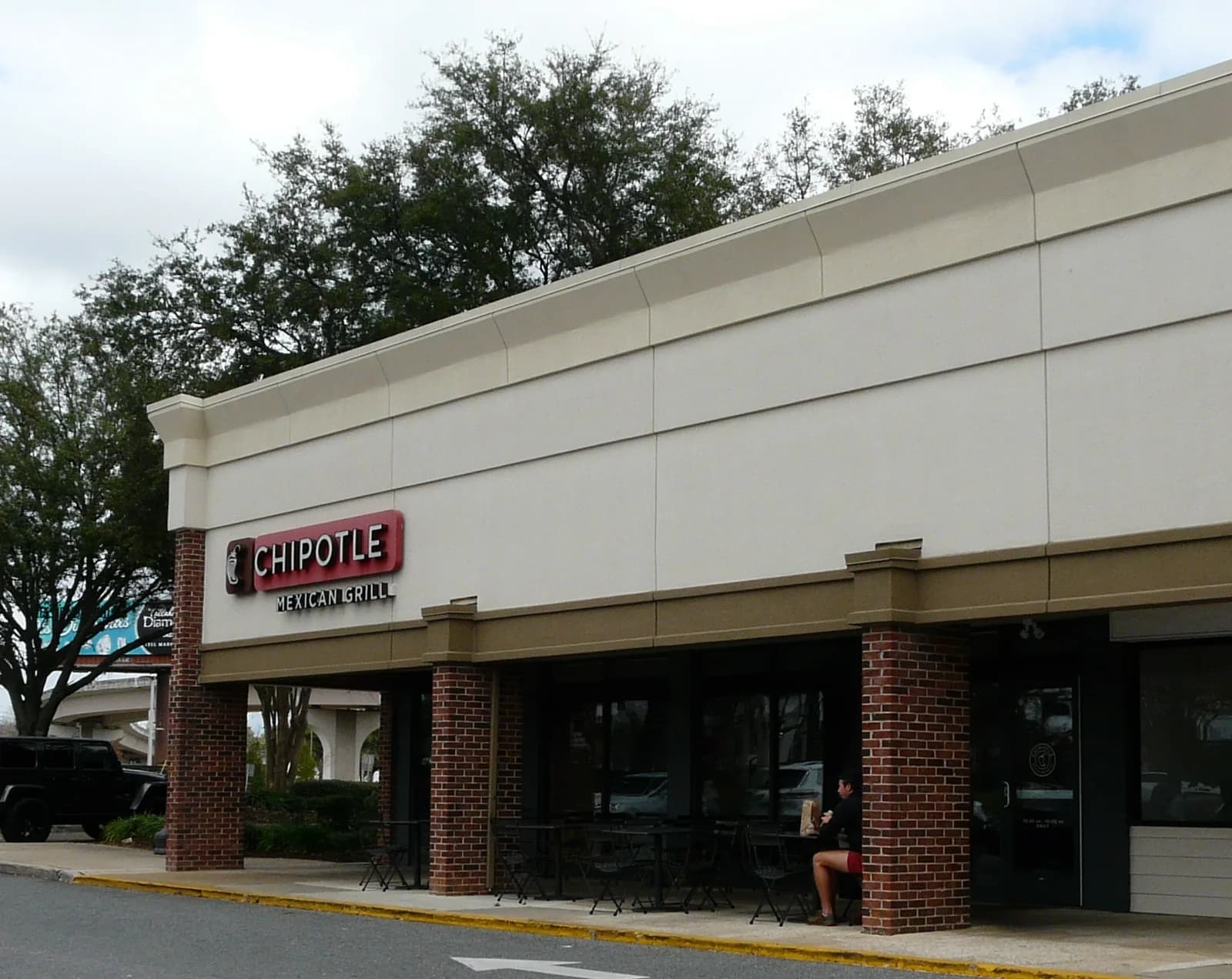
Chipotle's third-quarter release paired new restaurant openings with a more modest change in comparable sales. For property research, the useful distinction is between expansion of a business and the characteristics of a particular site.
Corporate ownership, operating identity and lease obligations are related questions. A transaction announcement does not resolve all three for an individual address.
Regional commentary can reveal useful differences beneath a national headline. The geographic scale and the nature of the evidence still need to remain clear.
An economic estimate is a dated record, not an immutable fact. That distinction matters when reconstructing the context around an owner’s earlier decision.
A restaurant’s sales trend can combine several different movements. Understanding the measure comes before applying a corporate result to a particular location.
Portfolio announcements can identify a subject for further inquiry. They do not automatically identify available real estate or resolve an individual lease.
National spending data can sharpen a research question. It cannot establish a store’s performance, the condition of its lease or an owner’s willingness to transact.
An unchanged policy rate was a useful point of reference. It was not a property financing quote or a reason to assume every owner faced the same decision.