

Property research · Retrospective
A store closure announcement is the beginning of property research
Portfolio announcements can identify a subject for further inquiry. They do not automatically identify available real estate or resolve an individual lease.
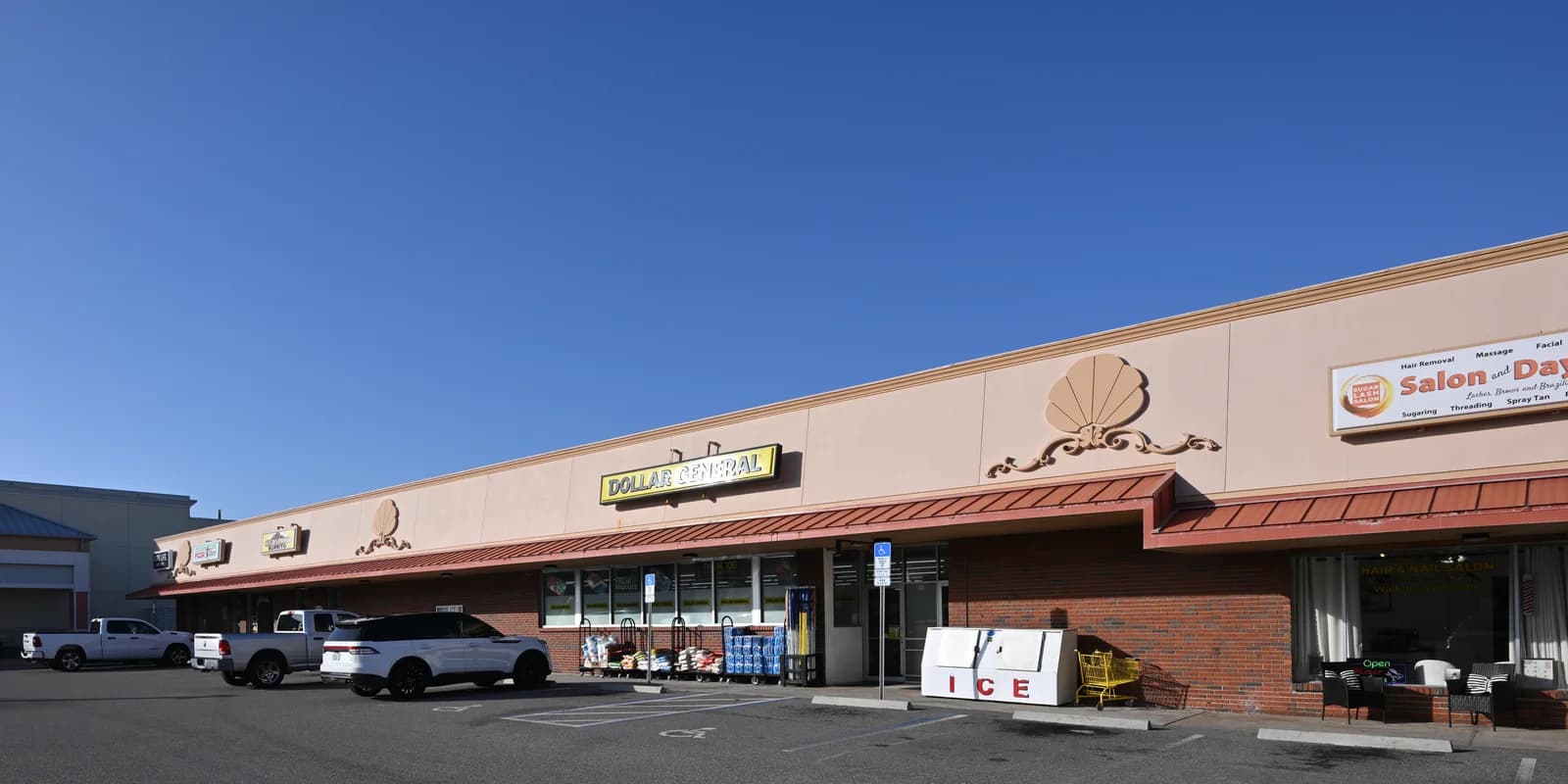

What the filing actually said
Dollar General’s Form 10-K, filed on March 21, 2025, reported a plan to close 141 stores during the first quarter of its 2025 fiscal year: 96 Dollar General stores and 45 pOpshelf stores. The filing described a portfolio review that considered market conditions and individual store performance, among other factors. This article examines the information disclosed in March, without assuming the plan had already been completed.
One detail was particularly relevant to property research. The filing explained that impairment of an operating lease right-of-use asset did not remove the company’s monthly cash payment obligations under the lease. An accounting charge and a contractual payment obligation were different matters in the company’s own disclosure.
Keep operating status and lease status separate
A closure announcement can describe a planned end to retail operations. It does not, on its own, establish when possession returns to an owner, whether another use is permitted or whether the property is being offered for sale. Those questions belong to particular documents and communications. Their answers should not be filled in from a national store count.
For an identified address, a research file can distinguish several dates: the announcement, the expected last trading day, any confirmed cessation of operations and any documented change in occupancy. A date that has not been established remains unknown. That chronology is more useful than a single label such as vacant, especially while an announced plan is still being implemented.
Physical adaptability is its own inquiry
The existing building also needs attention independent of the operator’s corporate news. Its size, access, loading arrangement and relationship to neighboring uses help define the questions a prospective replacement use would raise. A freestanding building and an inline unit may require different investigations even when the departing stores carried the same brand.
None of those observations establishes a permitted alternative use or a redevelopment outcome. A broad floor plate, for example, is a visible characteristic; the ability to divide it into separate occupancies is a different question. Local requirements, utilities, recorded restrictions and professional review may matter. Early research can describe the building accurately and identify missing information without promising a conversion.
Availability requires confirmation
The ownership inquiry is equally specific. A retailer’s announcement does not identify the interests or plans of every property owner associated with its stores. Some owners may be considering alternatives, while others may have no intention of selling. Recorded ownership can provide a starting point, but current authority and willingness to discuss an opportunity require confirmation.
The March filing was therefore a useful signal for focused research, not a substitute for it. A credible property conversation would keep the company’s disclosed plan, the observed condition of a site and the owner’s stated interests distinct. Any interpretation of lease rights, negotiation of a transaction or professional valuation would require the appropriate separately engaged professionals. The filing itself established no JBI involvement or property availability.
Sources & editorial note
- Dollar General — fiscal 2024 Form 10-K, filed March 21, 2025; Note 12
- SEC — filing record confirming March 21, 2025 publication
Historical reference date: . This article is original retrospective commentary published on September 27, 2026. The property-research observations are JBI’s interpretation, rather than findings reported by the cited organizations. Sources, estimates and forecasts may have been revised since the period discussed.
General information only; not legal, tax, valuation or investment advice. References to companies and properties do not represent clients, transactions, affiliation or endorsement. Read our disclosures.