

Market context · Retrospective
What banking data can tell a property researcher
The FDIC's third-quarter report described stronger aggregate bank earnings alongside continuing areas of concern. The report offers background for commercial real estate research, but it cannot explain a particular owner's financing or intentions.
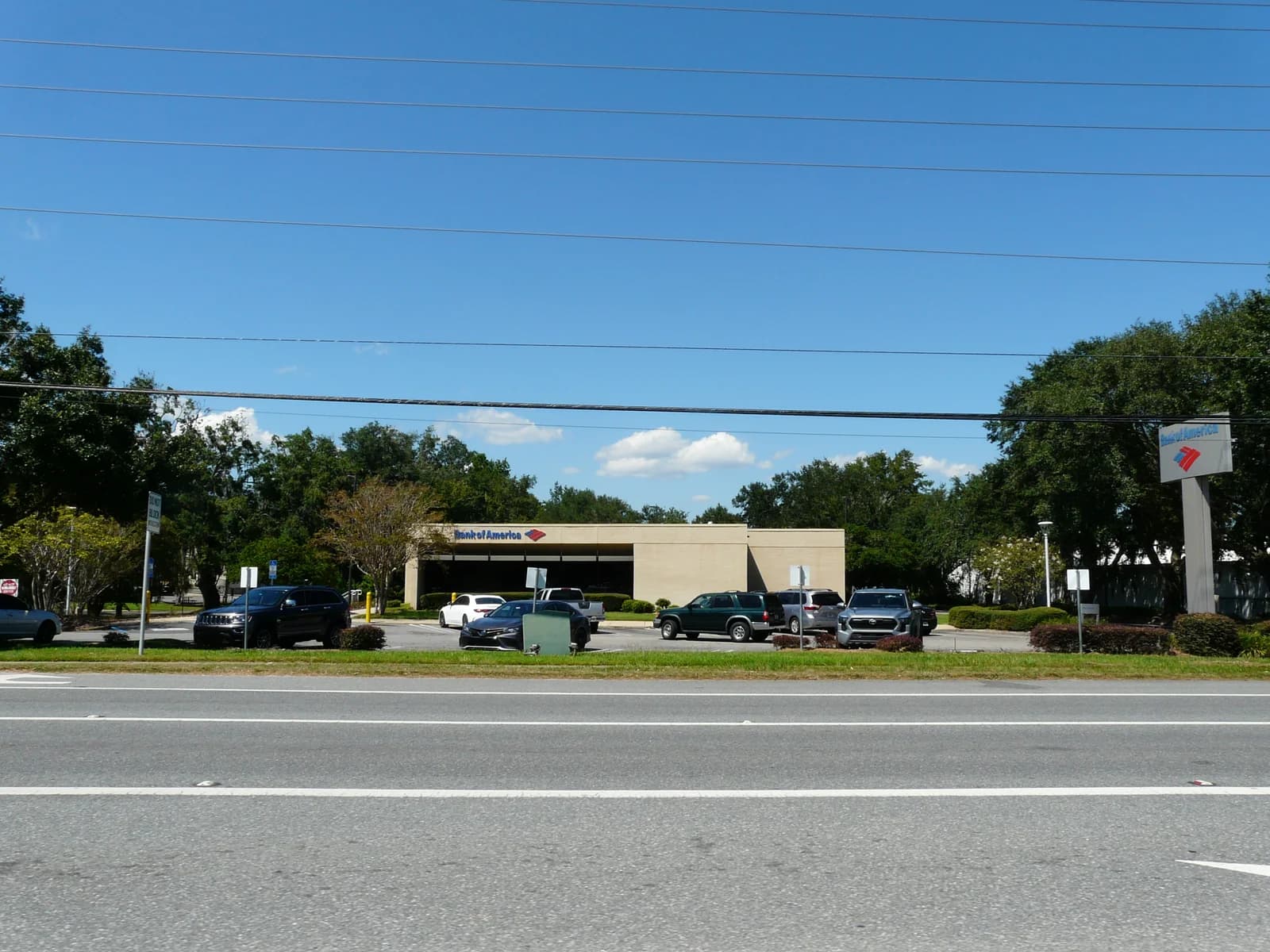

A report about banks, not a property inventory
The FDIC released its third-quarter 2025 banking results on November 24. Insured institutions reported aggregate net income of $79.3 billion and a return on assets of 1.27%. The agency reported continuing loan growth and a fifth consecutive quarterly increase in domestic deposits. It also identified weakness in certain loan portfolios and noted that unrealized losses remained elevated.
Those observations belonged to an industry-wide report covering a completed quarter. They did not identify which commercial property owners needed capital, which assets were being offered for sale or what terms an individual lender would provide. For an origination researcher, the report supplies dated economic context. It is not a list of prospective transactions and should not be presented as evidence of an owner's financial condition.
Separate an aggregate trend from an individual record
The level of analysis matters. A national banking total combines many institutions, borrowers and types of credit. Even a property-related category does not identify the circumstances of a specific parcel. Moving from that total to a statement about one owner would require information that the aggregate report does not contain. A research note should make that boundary visible instead of filling the gap with an assumption.
Recorded financing documents can provide another piece of context, but they also have limits. A historical instrument may not show the current balance, a later modification or an arrangement that is not evident from the initial record. Its recording date is not necessarily the date on which all relevant circumstances changed. The appropriate owner and their professionals are the sources for a current, authorized discussion.
Ask about timing without assigning a motive
An owner may welcome a conversation for reasons unrelated to borrowing: a change in portfolio priorities, a succession discussion, interest in market context or a decision to focus on another business. Others may have no current interest. Research into lending conditions should not turn an introductory message into an assertion that the owner is under pressure or needs to dispose of a property.
A proportionate inquiry identifies the property and asks whether a conversation is timely. If financing or an approaching contractual date matters to the owner, they can identify that issue at a high level. Detailed debt documents and confidential financial information are better directed to the relevant professionals through an appropriate process, rather than requested through an initial website submission.
Preserve the date and the scope of the evidence
A useful research record retains both November 24, the publication date, and the third quarter, the reporting period. That prevents a later reader from treating a historical observation as a current lending assessment. It should also distinguish the FDIC's reported findings from any question the researcher draws from them. An official source makes an observation traceable; it does not make every inference from it reliable.
For JBI, the next step remains a conversation about the owner's stated interests and, when appropriate, an introduction to a qualified transaction professional. A helpful introduction identifies which questions the owner actually wants to address. It leaves any assessment of financing options, contractual obligations or a potential disposition to the parties and their own professionals, rather than deriving an answer from a banking industry total.
Sources & editorial note
Historical reference date: . This article is original retrospective commentary published on September 27, 2026. The property-research observations are JBI’s interpretation, rather than findings reported by the cited organizations. Sources, estimates and forecasts may have been revised since the period discussed.
General information only; not legal, tax, valuation or investment advice. References to companies and properties do not represent clients, transactions, affiliation or endorsement. Read our disclosures.