

Pharmacy · Retrospective
Pharmacy results and the property beneath the business
CVS Health's year-end release described several businesses and operating measures. For pharmacy property research, the challenge is to identify which information concerns the business, which concerns a location and which establishes a real estate interest.
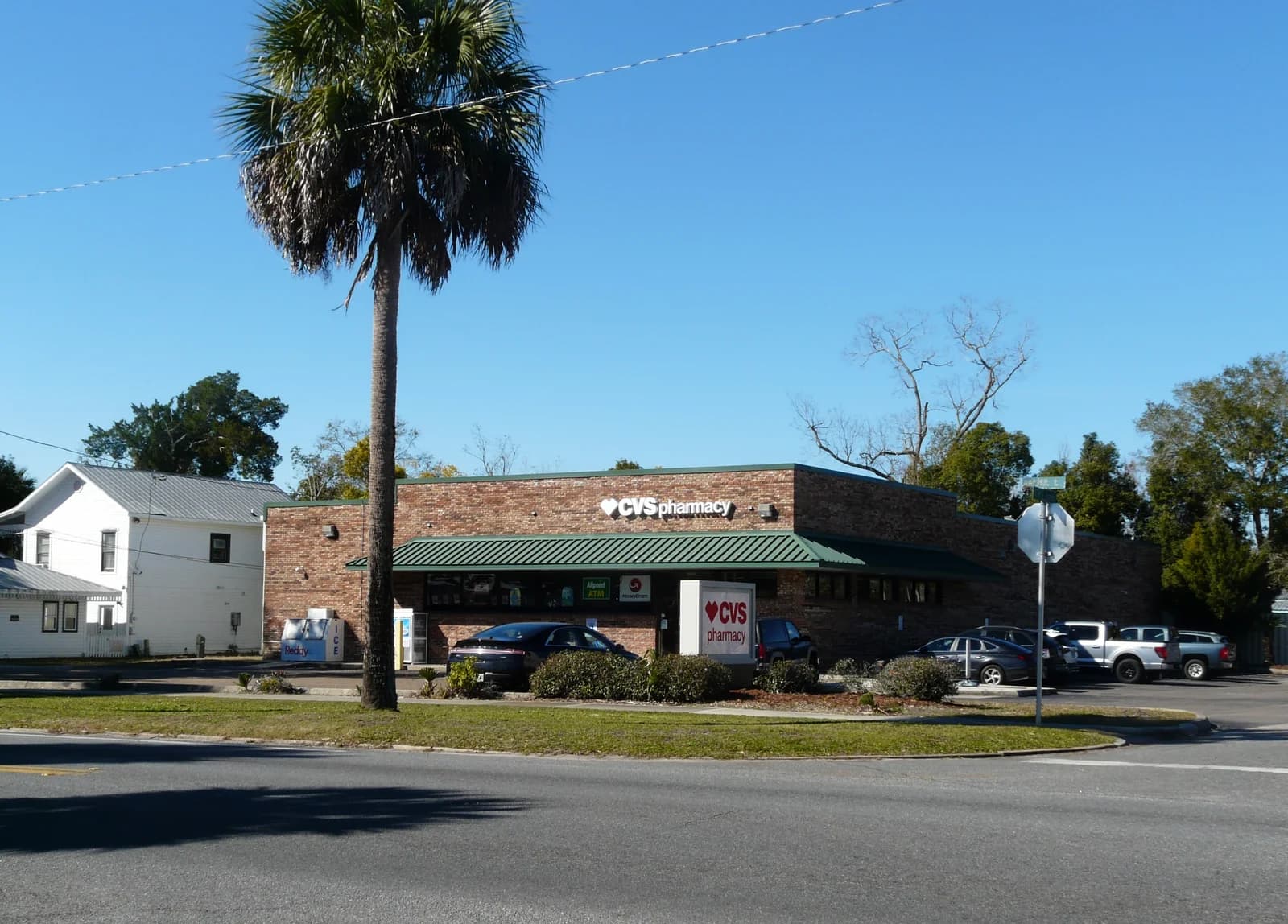

Start with the relevant business segment
On February 10, 2026, CVS Health published fourth-quarter and full-year 2025 results. Its Pharmacy & Consumer Wellness segment reported quarterly revenue growth of 12.4%. The company attributed the increase primarily to pharmacy drug mix and prescription volume, including volume associated with Rite Aid prescription file acquisitions, partly offset by reimbursement pressure and recent generic drug introductions.
The release also contained separate results for Health Care Benefits and Health Services. This structure matters when reading a corporate headline in connection with a retail property. Consolidated company revenue, pharmacy-segment activity and the circumstances of one leased building are different subjects. A change in one measure cannot simply be applied to each location displaying the company's name.
Distinguish prescription activity from a property transfer
The reference to prescription files illustrates a basic research distinction: an operating asset is not the same thing as land or a building. A report concerning customer or prescription activity should not be described as a real estate acquisition unless the underlying disclosure actually identifies such a transfer. The objects being transferred matter as much as the names of the businesses involved.
For an individual address, useful questions concern the parcel, the ownership entity and the premises occupied by the pharmacy. If activity has moved, research should record what is known about the operating change without assuming that the former premises are vacant, that the lease has terminated or that the owner is seeking a sale. Those are separate questions with separate evidence.
Give each record a clear purpose
A store directory may help identify where a business serves customers. A property record may identify a recorded ownership interest. A lease and its amendments address contractual rights and obligations. These sources can complement one another, but they are not substitutes. Research is more useful when a note explains what each source establishes and leaves unresolved details visible.
This approach is particularly helpful when a pharmacy occupies part of a larger retail center. Shared access, parking and delivery arrangements may involve parties beyond the pharmacy operator. A description of the storefront alone would not explain the entire property interest. An owner or authorized representative can clarify the relevant premises before a transaction professional evaluates the documents and any potential next steps.
Keep the first conversation focused on the property
A relevant introductory discussion can begin with the address and the owner's stated interest, without making a prediction about prescription volumes, reimbursement economics or future store operations. The objective is to understand whether a property conversation is welcome and what the owner wants to discuss. Company results can provide context, but they do not establish that interest on the owner's behalf.
A clear property summary can carry the address, the source of ownership information and the owner's stated question into a professional introduction. It should identify any open issue concerning the premises rather than settle it by reference to a corporate result. Questions about lease status, operating rights, pricing and transaction structure remain for the parties and appropriately qualified professionals to address within their respective roles.
Sources & editorial note
Historical reference date: . This article is original retrospective commentary published on September 27, 2026. The property-research observations are JBI’s interpretation, rather than findings reported by the cited organizations. Sources, estimates and forecasts may have been revised since the period discussed.
General information only; not legal, tax, valuation or investment advice. References to companies and properties do not represent clients, transactions, affiliation or endorsement. Read our disclosures.