

Retail · Retrospective
Store projects: openings, remodels and relocations
Dollar General's annual results described thousands of store projects across different categories. Their relevance to a property inquiry depends on whether the work changes a location, improves an existing store or involves an entirely new premises.
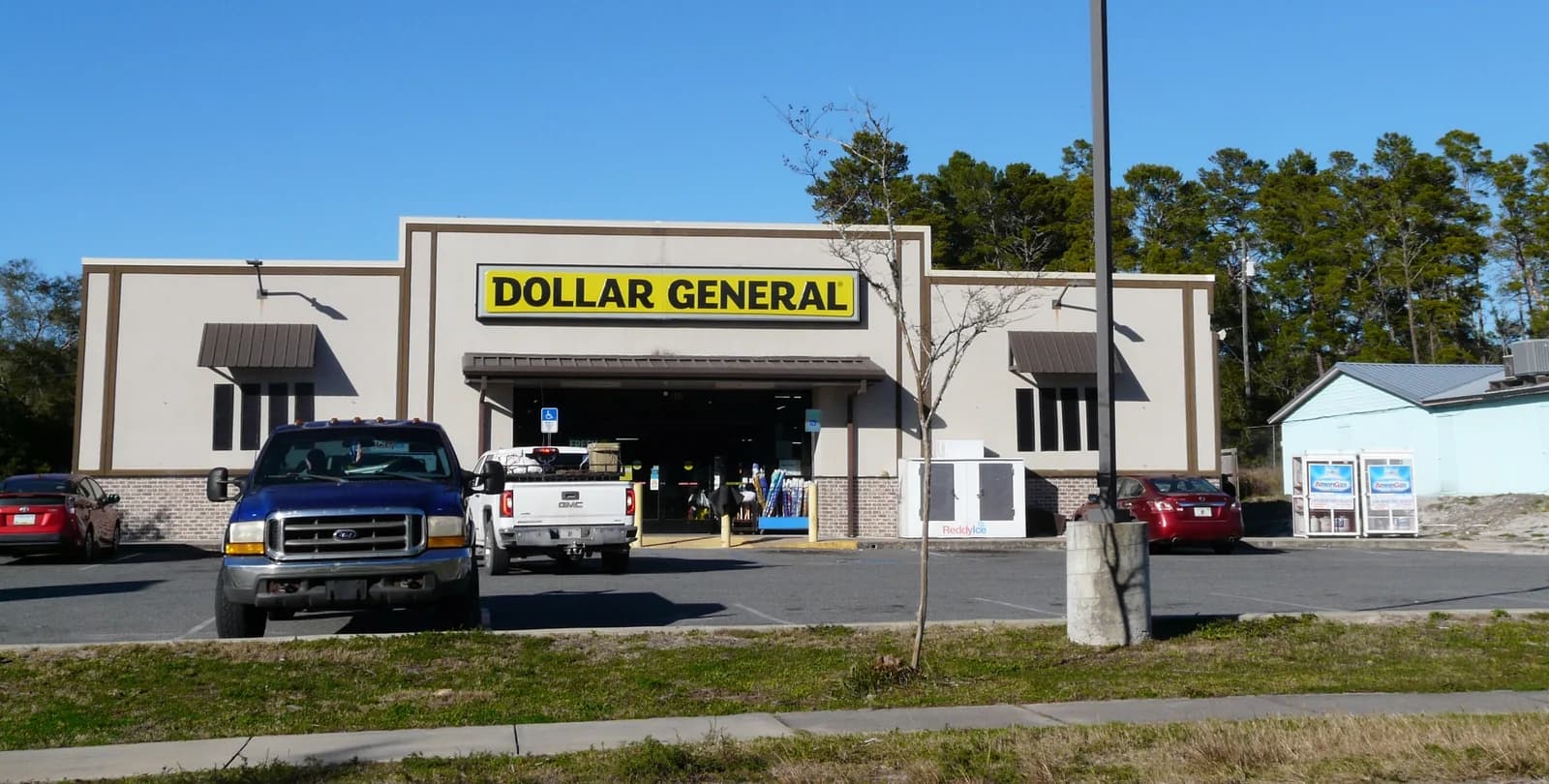

The categories behind the project count
Dollar General released its fiscal 2025 results on March 12, 2026, covering the year ended January 30. It reported 581 new U.S. stores and eight new stores in Mexico, 2,000 Project Renovate remodels, 2,254 Project Elevate remodels and 47 relocations. Its outlook for the following fiscal year also separated openings, the two remodel programs and relocations.
Those categories should remain separate when the announcement is summarized for a property audience. Adding them together and describing the result as new locations would misstate what the company reported. The historical results and the next year's stated plans also belong in different columns: completed work is evidence of past activity, while a plan remains subject to future execution.
An improvement is not automatically a new property
A remodel may prompt questions about a location's physical changes, but the word alone does not establish a change in land ownership, a new lease or an expansion of the premises. A useful research note identifies the address and the specific activity described by its source. It does not infer an underlying property transaction merely because capital has been spent at a store.
If the available information refers to building work, the next questions concern the scope and timing of that work. Is the record about interiors, equipment, an addition or a different premises? Which details are public, and which remain unconfirmed? Plans, permits and owner-supplied context may answer different parts of the inquiry; no single item should be stretched beyond what it actually describes.
A relocation creates two separate research questions
When a business changes locations, the new and former addresses each need their own record. They may have different owners, parcel arrangements and contractual circumstances. Confirming a new opening does not establish that the old property is immediately available. The former premises may remain subject to a lease or another arrangement that requires verification by the appropriate parties.
The practical first step is to avoid combining two addresses into one event summary. Record the source, the location it names and whether the information concerns an announcement, construction, an opening or an observed closure. This preserves the sequence without claiming a complete account of the business's plans. It also helps an owner understand exactly which property prompted an inquiry.
Use an announcement to narrow the question
For owners, the relevant issue is the property they control and whether a discussion is useful. For investors, it is whether a property matches their stated research criteria. Neither question is answered by the size of a retailer's national project program. A targeted conversation should begin with the correct ownership and location, then allow the recipient to define any current interest.
The March release illustrates why precise event descriptions matter. Opening, remodeling and relocating are different activities, and each creates a different set of research questions. A property inquiry becomes more credible when the recipient can recognize the correct event and address. Lease interpretation, development approvals, valuation and transaction decisions remain separate professional matters; a retailer's project count does not resolve them.
Sources & editorial note
- Dollar General: Fiscal 2025 results furnished with its March 12, 2026 Form 8-K
- Dollar General: March 12, 2026 Form 8-K confirming the release date
Historical reference date: . This article is original retrospective commentary published on September 27, 2026. The property-research observations are JBI’s interpretation, rather than findings reported by the cited organizations. Sources, estimates and forecasts may have been revised since the period discussed.
General information only; not legal, tax, valuation or investment advice. References to companies and properties do not represent clients, transactions, affiliation or endorsement. Read our disclosures.