

Market context · Retrospective
A rate decision and an owner's transaction timetable
The Federal Reserve reduced its policy target in December 2025. That was a significant economic reference point, but the questions relevant to an owner still depended on the property, the owner's objectives and any existing commitments.
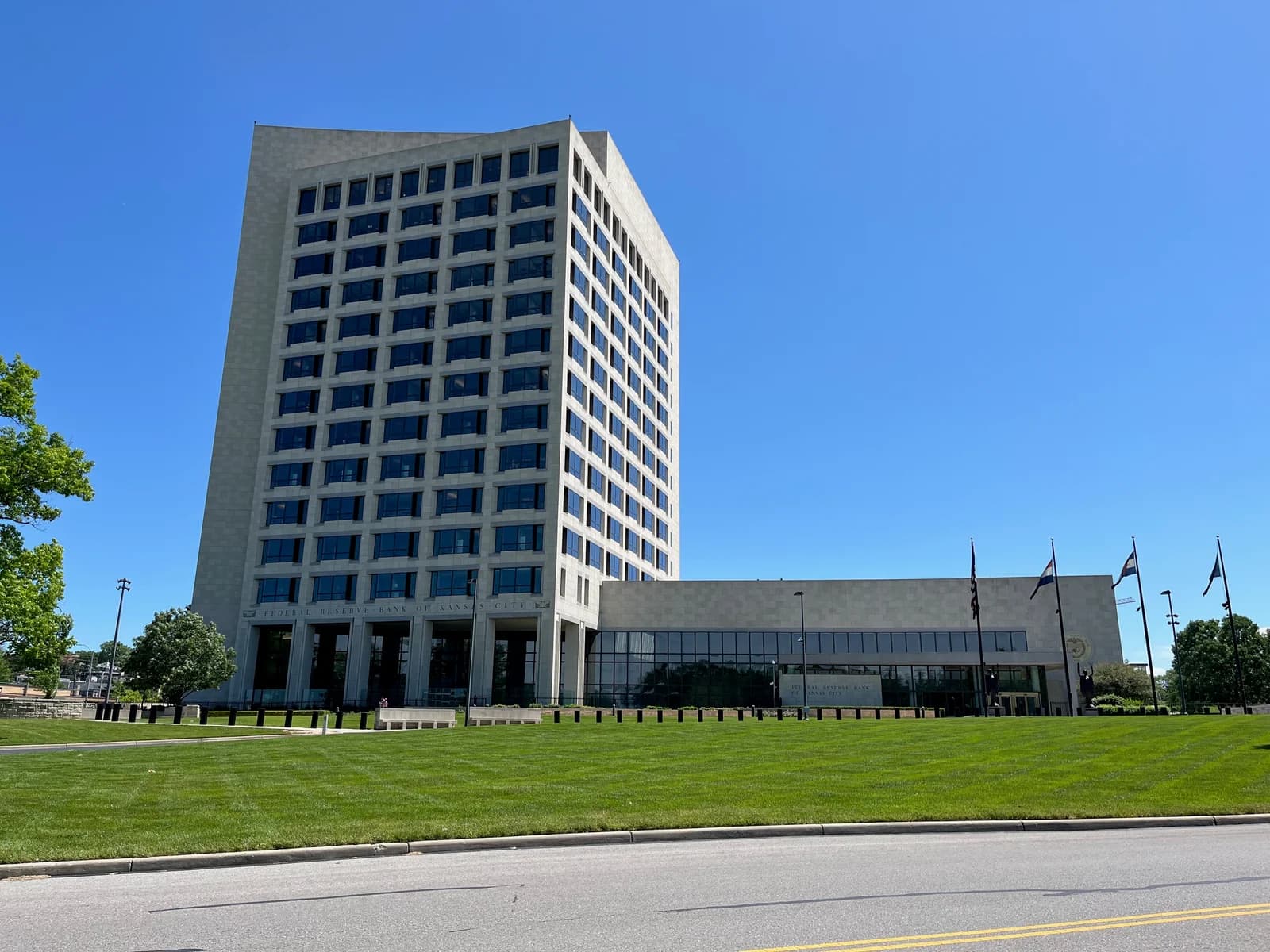

The decision available at the time
On December 10, 2025, the Federal Open Market Committee reduced the target range for the federal funds rate by a quarter of a percentage point, to 3.50%–3.75%. Its statement described elevated uncertainty and said future adjustments would depend on incoming information, the outlook and the balance of risks. The decision did not announce a fixed schedule of further changes.
For a commercial property researcher reading that statement in December, the factual starting point was a change in a policy target. Any proposed connection to a property sale, refinancing or acquisition required additional information. A policy announcement was not a loan quote, a property valuation or an indication that every owner would respond in the same way.
Separate the owner's timetable from the news cycle
There are several dates that may matter to a property conversation: a lease event, a contractual notice period, a planned operational change, or a time at which an owner is willing to reconsider their holdings. Research can ask which of those dates is relevant without asserting that a central bank meeting has made a transaction necessary or attractive.
The owner's own description should control the scope of the inquiry. Someone considering a discussion over the coming year is in a different position from someone asking only to correct a contact record. Neither position can be inferred from the rate announcement. Recording the expressed timing also helps prevent an old indication of interest from being treated as a current instruction.
Keep different kinds of rates in their own context
A research summary should identify the measure it cites rather than use the word rate as if it describes every financial term. The Federal Reserve's target belongs in a dated economic note. Any lender terms supplied for a specific situation belong in a separate record with their own date, conditions and source. Combining the two would make the summary less precise.
The same discipline applies when an owner mentions a pricing expectation. That is the owner's stated expectation, not a value established by JBI or by a policy decision. A qualified professional can address the property's financial and transaction questions within an appropriate engagement. JBI can clarify who should join that conversation without predicting where borrowing costs or property prices will go.
A better basis for an initial conversation
An inquiry can acknowledge the broader economic setting while staying focused on a straightforward question: is there a property or portfolio matter the owner wishes to discuss? Useful context includes the address, the relevant decision-maker, the scope of their interest and any timing they choose to share. It does not require the researcher to translate a national policy move into a recommendation.
The practical distinction is between noticing a change in the economic environment and understanding an individual party's intentions. A professional introduction is more useful when it includes the owner's stated timetable and the question they wish to address. Decisions about financing, pricing and whether to transact then belong with the parties and their own qualified professionals, with the December policy statement retained as background rather than an instruction.
Sources & editorial note
Historical reference date: . This article is original retrospective commentary published on September 27, 2026. The property-research observations are JBI’s interpretation, rather than findings reported by the cited organizations. Sources, estimates and forecasts may have been revised since the period discussed.
General information only; not legal, tax, valuation or investment advice. References to companies and properties do not represent clients, transactions, affiliation or endorsement. Read our disclosures.