

Retail · Retrospective
Online sales and the continuing questions around physical retail
A sales channel is not a property type. The Census release helps describe spending, while the role of an individual store requires a separate inquiry.

What the first-quarter estimate measured
The Census Bureau’s May 19, 2025 release estimated first-quarter retail e-commerce sales at $300.2 billion on a seasonally adjusted basis. That was virtually unchanged from the preceding quarter and 6.1% higher than a year earlier. E-commerce represented 16.2% of total retail sales on the adjusted measure. The estimates were not adjusted for price changes and were preliminary historical figures.
The release defined e-commerce through how an order was placed or its terms negotiated; payment did not have to occur online. That definition is important for property research. A digital order does not, by definition alone, disclose where stock was held, how goods reached a customer or whether a physical store participated in the purchase.
The channel and the building are different units of analysis
A hypothetical customer might order an item online and collect it from a shop. Another might have an order delivered without visiting a store. Both examples involve an online channel, but they raise different questions about the associated real estate. The national sales total does not identify which arrangement applies to a particular retailer or quantify the space each arrangement requires.
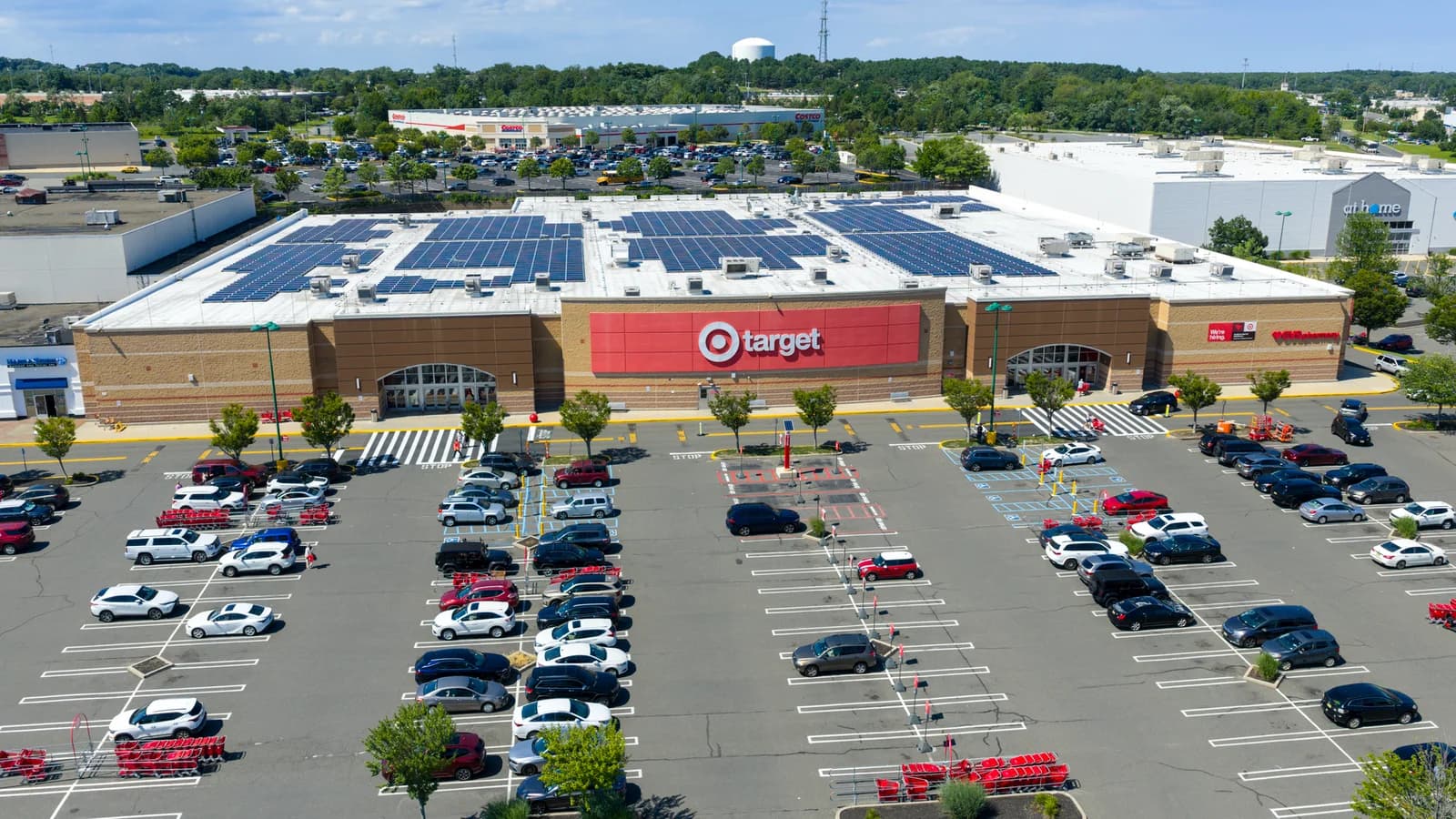
This is why a simple opposition between online shopping and physical retail can be misleading as a research framework. The useful question is the function of a specific location. It may be a place to browse, collect goods, obtain a service or handle a return. These are possible functions to confirm with the operator, rather than benefits that should be assumed for every building.
Start with the use, then examine the site
Once the business function is understood, the property questions become more precise. Collection activity may raise questions about short-stay parking and customer access. Stock handling may raise questions about deliveries and storage. A service use may place different demands on the interior and customer waiting area. Documented requirements matter more than attaching a broad label such as resilient retail to an address.
A neighborhood center also contains different uses that should not be evaluated through one national channel-share figure. A pharmacy, restaurant and other local service may have different customer interactions and space requirements. Research can describe the actual mix and identify what is unknown about each occupant. It cannot infer the operating strength of that mix from the aggregate e-commerce percentage.
Respect the limits of the comparison
The May release also included methodological and revision information. A retrospective comparison should use consistent definitions and retain the version of the data being discussed. Mixing an earlier unadjusted number with the adjusted first-quarter share would answer a different question without making that change obvious. Apparent precision is not a substitute for comparable measures.
For owners and researchers, the most useful implication was a better set of questions about how a retailer uses its location. The release did not forecast vacancy, rent or demand for any particular building. It provided a dated national reference against which more specific evidence could be organized. Any conclusion about a property’s future use still depended on the occupant, the site and the relevant professional assessments.
Sources & editorial note
Historical reference date: . This article is original retrospective commentary published on September 27, 2026. The property-research observations are JBI’s interpretation, rather than findings reported by the cited organizations. Sources, estimates and forecasts may have been revised since the period discussed.
General information only; not legal, tax, valuation or investment advice. References to companies and properties do not represent clients, transactions, affiliation or endorsement. Read our disclosures.