

Convenience retail · Retrospective
Fuel forecasts and the economics of an individual site
EIA's June outlook combined revised demand expectations with disruption-related uncertainty. For convenience and fuel properties, the useful lesson is to keep a dated national forecast separate from a site's operations, agreements and ownership.
.jpg)
A forecast based on stated assumptions
The U.S. Energy Information Administration released its June Short-Term Energy Outlook on June 9, 2026. It reduced its expectation for global oil demand and discussed disruption to oil flows through the Strait of Hormuz. The report forecast an average U.S. retail gasoline price of $3.90 per gallon for 2026. That figure was a forecast at the time, not a completed full-year observation.
The archived June report is the appropriate source for reviewing what was expected that month. A later outlook may change both the assumptions and the figures. Keeping the historical version visible prevents an article about June from quietly adopting knowledge that became available afterward. It also allows a reader to separate the agency's forecast from any interpretation drawn from it.
A pump price does not describe the whole business
For a property researcher, the national price forecast does not establish a site's fuel volume, purchase costs, operating margin or in-store activity. These are different measures. A higher posted price cannot, on its own, demonstrate a stronger business result, just as an observed change in traffic cannot establish the economics of the underlying real estate.
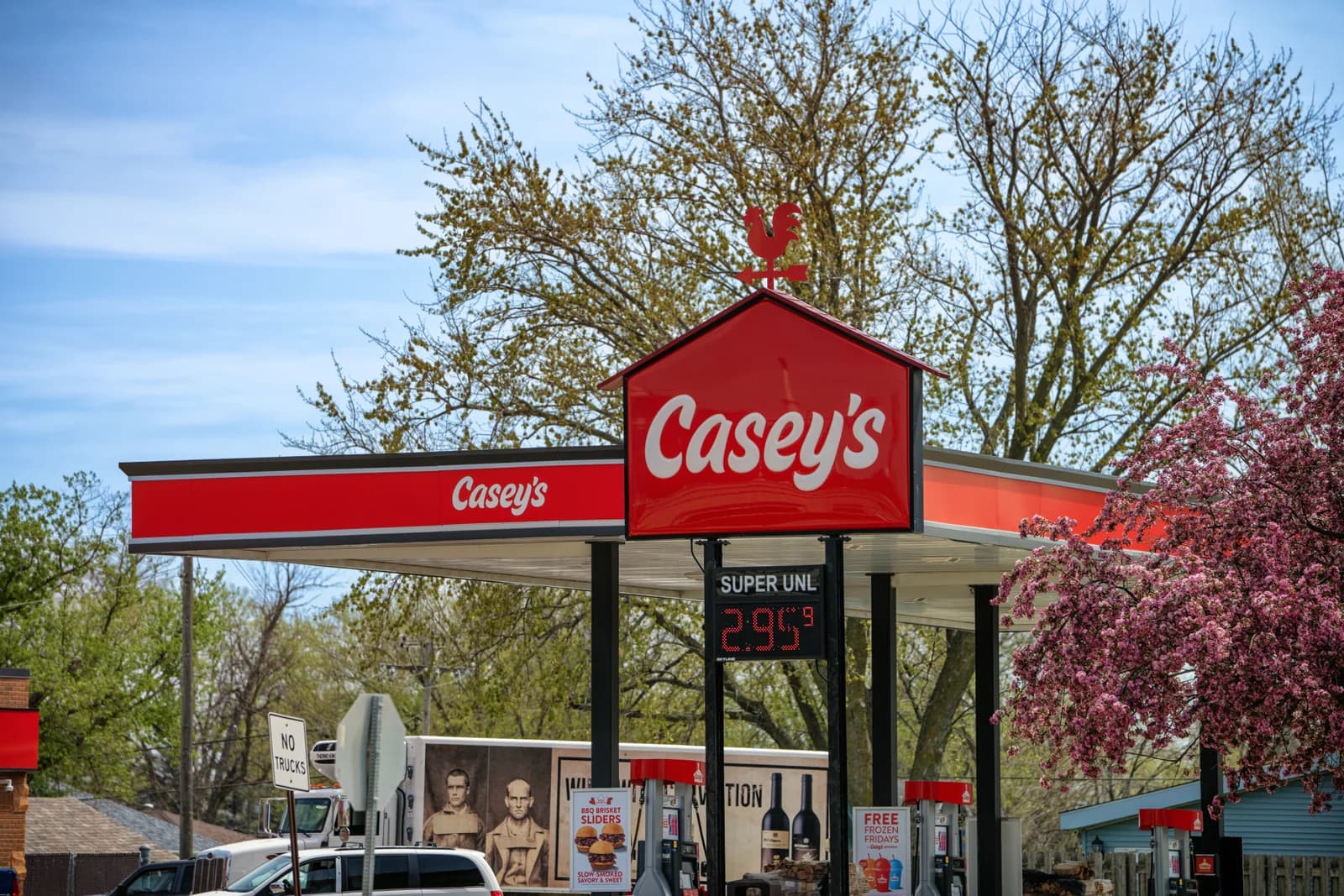
A useful site description begins with what is actually present: a convenience store, fuel equipment, a canopy, parking and any additional uses. It then identifies which businesses operate there and what ownership information is supported by records. That descriptive work helps define a relevant conversation without turning a national energy forecast into an assessment of a particular operator's profitability.
Identify the interests and agreements involved
At a fuel-oriented property, the landowner, store operator, fuel brand and equipment owner may not be the same party. Research should leave those roles distinct until they are confirmed. A visible brand or supply relationship is not enough to identify who owns the parcel, who is obligated under a lease or what a proposed transfer would include.
If an owner wants to explore a conversation, the initial scope can distinguish real estate from the operating business and equipment. Supply agreements, lease provisions and environmental matters require appropriately qualified professional review. JBI can identify that these questions exist and help direct a relevant introduction; the energy-price release does not answer them, and a general website inquiry should not be used to collect sensitive operating documents.
Keep uncertainty explicit in owner outreach
An economic disruption may be part of the surrounding context, but it is not evidence that an owner wishes to transact. The appropriate question is whether a conversation about the property is relevant to the recipient's current plans. Owners may choose to discuss one site, a broader group of holdings or no current opportunity. Their response supplies information that the national forecast cannot.
A useful handoff to a transaction professional therefore identifies the property interest, the owner's stated objective and any unresolved operating or technical questions. The June forecast can remain part of the dated background. It should not be carried forward as a current fuel-price prediction or substituted for site information, document review and the professional work needed to understand a particular opportunity.
Sources & editorial note
Historical reference date: . This article is original retrospective commentary published on September 27, 2026. The property-research observations are JBI’s interpretation, rather than findings reported by the cited organizations. Sources, estimates and forecasts may have been revised since the period discussed.
General information only; not legal, tax, valuation or investment advice. References to companies and properties do not represent clients, transactions, affiliation or endorsement. Read our disclosures.