

Restaurants · Retrospective
Restaurant openings and the importance of site format
Chipotle's third-quarter release paired new restaurant openings with a more modest change in comparable sales. For property research, the useful distinction is between expansion of a business and the characteristics of a particular site.
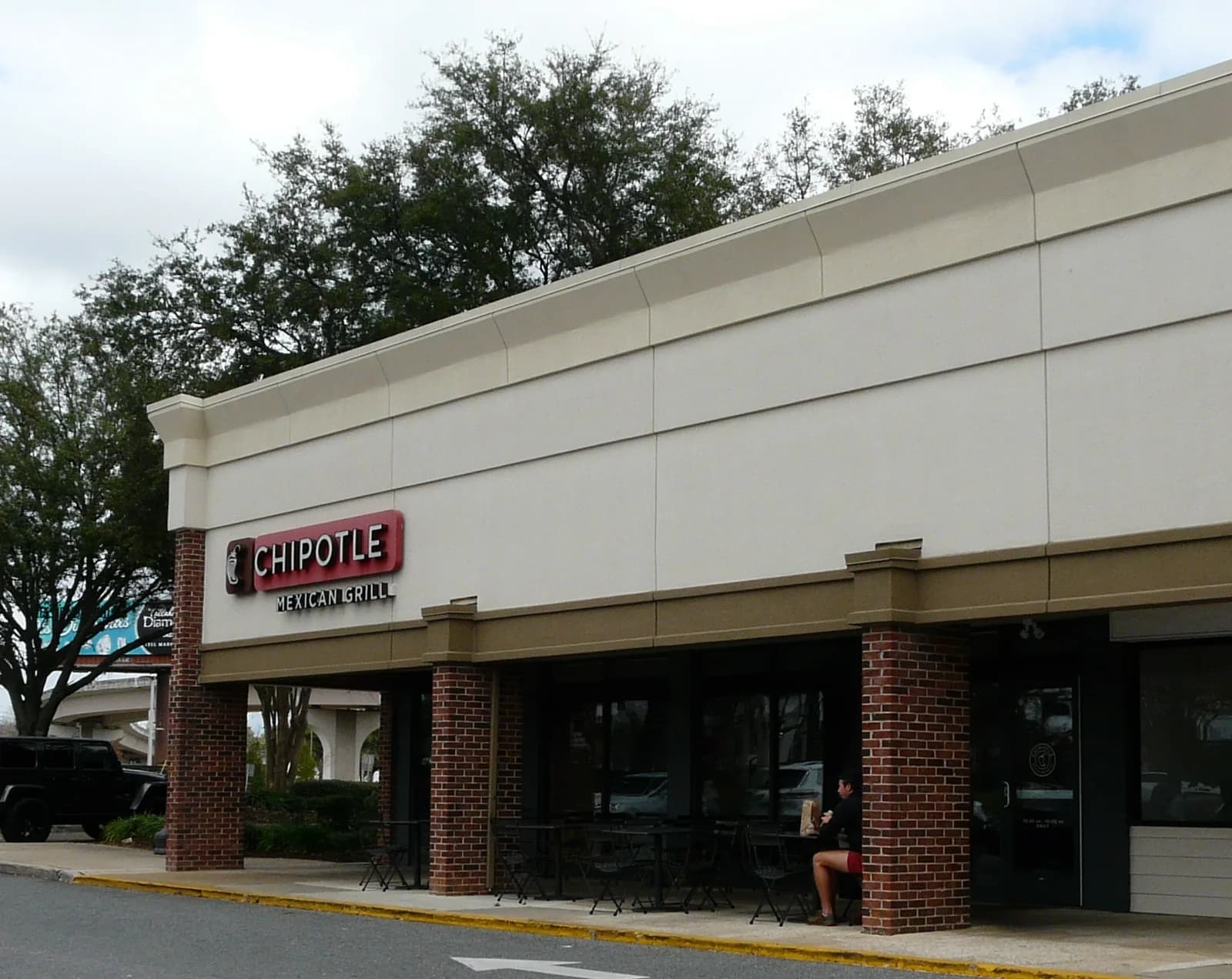

What the October release reported
On October 29, 2025, Chipotle reported results for the quarter ended September 30. It opened 84 company-owned restaurants during the quarter, including 64 with a Chipotlane, as well as two international partner-operated restaurants. Comparable restaurant sales rose 0.3%, with a higher average check partly offset by fewer transactions. These were company-reported operating results, not measures of restaurant property values.
Read together, the figures described several different developments: expansion of the restaurant network, a particular format within those openings, and activity at comparable restaurants. They did not establish where a future opening would occur, whether an existing owner wanted to sell, or which party held an interest in an individual property. Those questions require an address and a separate set of records.
A restaurant category is not a site description
A useful property record distinguishes a freestanding building from an inline space or an end unit in a larger center. It also describes how customers arrive and collect orders. A location with a pickup lane presents different questions about circulation and shared areas from a storefront reached primarily on foot. Applying a single restaurant label to both can obscure the details that make an inquiry relevant.
The next questions are concrete. Is the lane entirely within the parcel being researched? Does vehicle circulation cross land held by another owner? Which entrances, parking areas and delivery routes serve the premises? Maps and photographs can help identify those questions, but recorded rights, approved plans and specialist review are needed to resolve them. Apparent physical access is not confirmation of a legal right.
Keep the operator and the real estate separate
A company-operated restaurant is an operating classification. It should not be converted into an assumption that the same company owns the land and building. Property ownership, the named lease tenant and any guarantor belong in separate fields, each supported by an appropriate source. This distinction matters before an owner is approached or information is passed to a transaction professional.
Similarly, a new opening is not evidence that another location is redundant or available. An owner may hold several unrelated restaurant properties, or only the land beneath one site. An initial conversation can clarify the property interest and the owner's willingness to discuss it without requesting confidential operating records or interpreting a restaurant expansion plan as an instruction to transact.
Use growth announcements to sharpen the inquiry
The research value of the October announcement lies in the questions it prompts about format and location. A focused inquiry might identify an existing pickup-lane property, confirm its ownership and ask whether the appropriate decision-maker is open to a conversation. It should not suggest that Chipotle has expressed interest in that property unless there is specific, supportable information to that effect.
For an owner receiving that inquiry, the useful response may be a correction to the property record, a referral to an existing representative or a statement of current interest. Each leads to a different next step. Clear site research makes that exchange more specific; the restaurant growth figures do not determine which response an owner should give or whether a transaction would be appropriate.
Sources & editorial note
Historical reference date: . This article is original retrospective commentary published on September 27, 2026. The property-research observations are JBI’s interpretation, rather than findings reported by the cited organizations. Sources, estimates and forecasts may have been revised since the period discussed.
General information only; not legal, tax, valuation or investment advice. References to companies and properties do not represent clients, transactions, affiliation or endorsement. Read our disclosures.